
Sclerotherapy for Varicose & Spider Veins in Dubai

What Is Sclerotherapy?

Vein problems rarely appear overnight.
In most cases, they develop gradually, starting with subtle colour changes, mild discomfort, or visible veins that may initially seem like a cosmetic issue rather than a medical concern.

For many people, however, leg veins are more than an aesthetic problem. They can cause heaviness, aching, swelling, burning sensations, and progressive discomfort that worsens throughout the day. If left unaddressed, these symptoms may intensify over time and begin to affect daily activities, mobility, and overall quality of life.

This is where sclerotherapy plays an important role.

Sclerotherapy is a non-surgical medical treatment designed to address varicose and spider veins of the legs by directly targeting damaged veins, relieving symptoms while improving circulation and appearance.

Under the care of Dr.Ehsan Sotoudeh, sclerotherapy is approached as a medical treatment, not a cosmetic shortcut. The focus is on accurate assessment, symptom relief, and long-term vein health, not just surface appearance.

Book an Sclerotherapy Appointment

Benefits of Sclerotherapy

Minimally invasive, non-surgical procedure

No anesthesia required

Quick treatment session (typically 15–30 minutes)

Enhances both cosmetic appearance and comfort

Who Is a Good Candidate for Sclerotherapy?

  • Individuals with visible spider veins or superficial varicose veins
  • Patients who experience discomfort such as leg heaviness, aching, or burning caused by problematic veins
  • People seeking a quick, outpatient treatment without surgery or downtime
  • Those who want to improve the cosmetic appearance of their legs

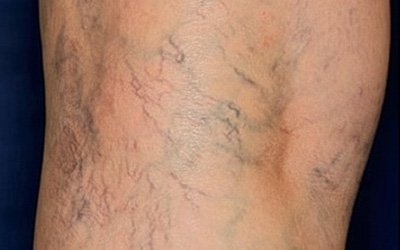
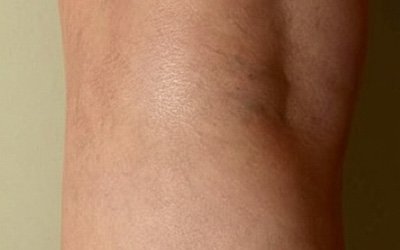
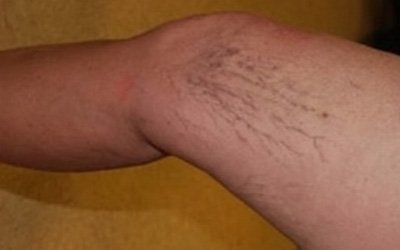
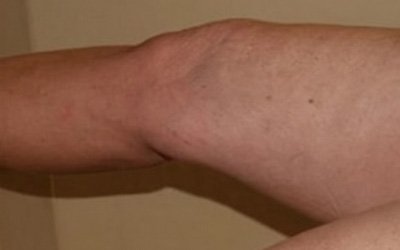
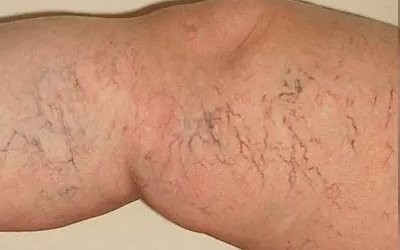
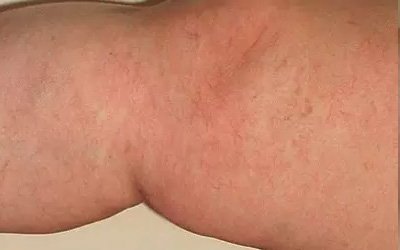
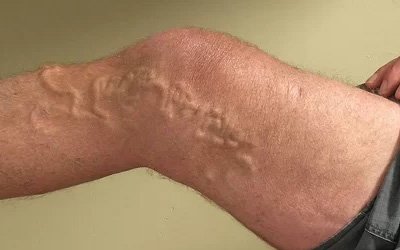
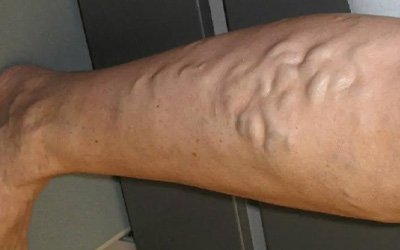
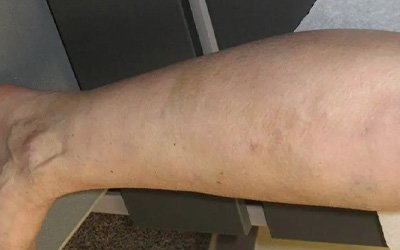
Sclerotherapy images

Sclerotherapy

before1
after1
Before
After

Sclerotherapy

before2
after2
Before
After

Sclerotherapy

before3
after3
Before
After

Sclerotherapy

before4
after4
Before
After

Sclerotherapy

before5
after5
Before
After

hen Do Leg Veins Need Medical Evaluation? – The CVARE Rule

Not every visible vein requires treatment. However, certain changes signal that veins may need medical assessment. Physicians often evaluate leg veins using a practical clinical framework known as CVARE.

C – Colour

Veins that appear blue, purple, or deep red, especially when they stand out clearly from surrounding skin, may indicate underlying vein dysfunction rather than normal superficial veins.
Colour changes often reflect altered blood flow or pooling within the vein.

V – Vein Size

Veins that gradually become thicker, raised, or more prominent, or that change from fine, thread-like lines into larger visible veins, deserve closer evaluation.
Progressive enlargement often indicates valve dysfunction.

A – Ache (Pain or Discomfort)

Symptoms such as:

  • Leg heaviness
  • Dull aching pain
  • Burning or throbbing sensations
  • Discomfort after prolonged standing

are common indicators of venous insufficiency, particularly when symptoms worsen toward the end of the day.

R – Recurrent Swelling

Mild but recurring swelling of the ankles or lower legs, especially in the evening and improving overnight, may signal impaired venous return.
This type of swelling is often overlooked but clinically significant.

E – Evolution (Change Over Time)

Any vein that:

  • Becomes more visible
  • Spreads or multiplies
  • Develops new symptoms

should be medically assessed. Progression over time is one of the most important warning signs.

What Are Spider Veins?

Spider veins are small, superficial veins visible on the surface of the skin.
They typically appear in red, blue, or purple colours and are most commonly seen on the legs.

In most cases, spider veins are not dangerous and do not cause serious medical problems.
The majority of patients seek treatment primarily for appearance-related concerns, rather than pain or medical risk.

Who Is More Likely to Develop Spider Veins?

Spider veins are more commonly seen in:

  • Women
  • Individuals who are overweight
  • People who stand for long periods
  • Sedentary individuals
  • Those with a family history of vein disease
  • Older adults

Hormonal factors, lifestyle habits, and genetic predisposition all contribute to their development.

Treatment Options for Spider Veins

The choice of treatment depends on the location, size, and depth of the affected veins.

Laser Treatment

Laser therapy is primarily used for:

  • Facial veins
  • Very small, superficial vessels

It is generally less effective for leg veins, particularly deeper spider or reticular veins.

Sclerotherapy

Sclerotherapy is considered the main and most effective treatment for:

  • Spider veins of the legs
  • Reticular (network) veins

It directly targets the affected vein and provides both symptom relief and cosmetic improvement.

Why Foam Sclerotherapy Is Often Preferred

In many cases, foam sclerotherapy offers significant advantages over liquid solutions:

  • Higher treatment effectiveness
  • Better contact with the vein wall
  • Reduced amount of medication required
  • Lower risk of side effects

For these reasons, foam sclerotherapy is frequently the preferred option for treating leg veins.

How Sclerotherapy Works

During sclerotherapy:

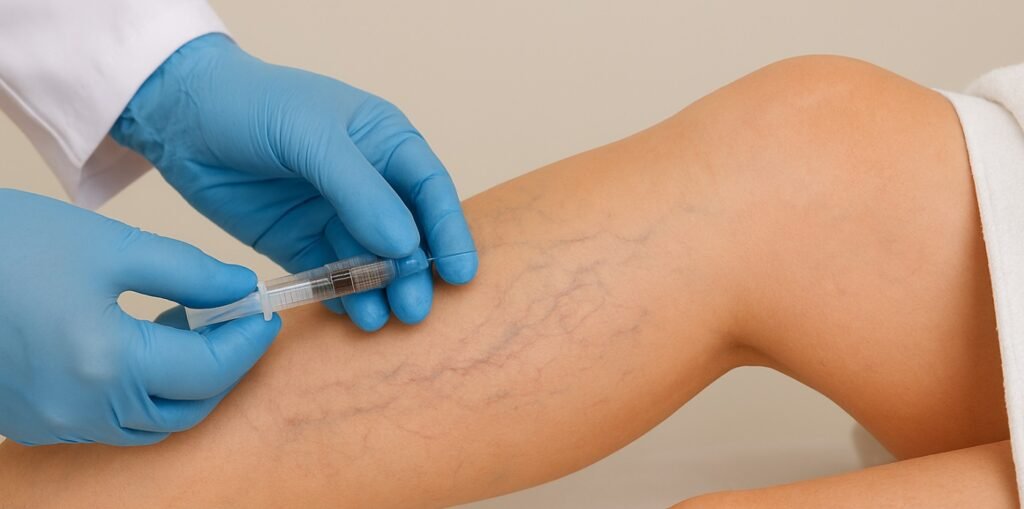
  • A specialised medication is injected into the vein in foam or gel form
  • The vein gradually closes and seals
  • The body naturally absorbs the treated vein over time
  • Blood flow is redirected to healthier veins

A visible change in vein colour may occur within minutes after injection, while full fading happens gradually over weeks.

Most patients are able to walk immediately after treatment, as the procedure is non-surgical and minimally invasive.

Why Vein Symptoms Should Not Be Ignored

Many people delay seeking care because they believe leg veins are “normal” or purely cosmetic. In reality, visible veins accompanied by discomfort often reflect underlying venous disease.

If untreated, vein problems may:

  • Progress gradually over years
  • Lead to worsening pain and swelling
  • Increase the risk of skin changes or inflammation
  • Negatively affect mobility and daily comfort

Early assessment allows treatment at a stage where results are often better and intervention is simpler.

What to Expect During Sclerotherapy

1. Medical Assessment

Your appointment begins with a careful evaluation of symptoms, vein patterns, and medical history. Not every vein requires treatment, and accurate assessment is essential.

2. Targeted Injection

A fine needle is used to inject the sclerosing solution directly into selected veins. The procedure is precise and controlled.

3. Short In-Clinic Session

Treatment sessions are brief and performed on an outpatient basis. No general anaesthesia is required.

4. Gradual Improvement

Treated veins fade over weeks to months as the body absorbs them naturally. Symptom relief often begins earlier.

Is Sclerotherapy Painful?

Most patients experience minimal discomfort.
The injections may cause mild stinging or pressure, but the procedure is generally well tolerated.
There are no surgical incisions, no stitches, and no significant downtime.

Who Should Not Undergo Sclerotherapy?

Sclerotherapy may not be recommended for:

  • Pregnant women
  • Patients with a history of migraine
  • Individuals with asthma or severe allergies
  • Patients with cardiovascular disease
  • Elderly patients with significant underlying medical conditions
  • Patients with rheumatologic diseases
  • Individuals with a history of blood clotting disorders or deep vein thrombosis

A thorough medical evaluation is essential to ensure safety and suitability.

Possible Side Effects of Sclerotherapy

Sclerotherapy is a safe and well-established procedure.
Temporary side effects may include:

  • Mild pain or burning at the injection site
  • Temporary bruising or redness
  • Skin discoloration lasting days to weeks
  • Small lumps along the treated vein that gradually resolve

These effects are usually mild and self-limiting.

Preparing for Sclerotherapy

Proper preparation helps ensure optimal results.

Before treatment:

  • Avoid tetracycline or minocycline for 7–10 days
  • Avoid aspirin, ibuprofen, and anti-inflammatory medications for 48 hours
  • If taking prednisone, consult your physician and discontinue if medically safe
  • Do not apply lotions or creams to the legs on the day of treatment

Aftercare: The First 48 Hours After Sclerotherapy

Following aftercare instructions is important for healing and results.

For 48 hours after treatment:

  • Avoid anti-inflammatory medications
  • Avoid hot baths, saunas, and whirlpools
  • Shower using cool or lukewarm water
  • Gently clean injection sites with mild soap and water
  • Do not apply heat or hot compresses
  • Avoid direct sun exposure, tanning, or tanning beds

If you experience any concerns or unexpected symptoms, contact your physician.

When Will Results Be Visible?

Treated veins typically begin to fade within a few weeks.
In some cases, full results may take one month or longer, depending on vein size and individual response.

Where Sclerotherapy Is Performed

Sclerotherapy is performed by Dr.Ehsan Sotoudeh at Eden Aesthetics Clinic.
Treatments are carried out in a professional medical environment with emphasis on safety, precision, and patient comfort.

Book Your Sclerotherapy Consultation in dubai

If you notice visible leg veins accompanied by discomfort, heaviness, or swelling, a medical evaluation can help clarify whether treatment is appropriate.
Early assessment leads to better outcomes, and often prevents unnecessary progression.

➡️ Book Your Sclerotherapy Appointment